
Loading
Loading page
The page is responding. Data and interface blocks are being prepared.
The page is responding. Data and interface blocks are being prepared.
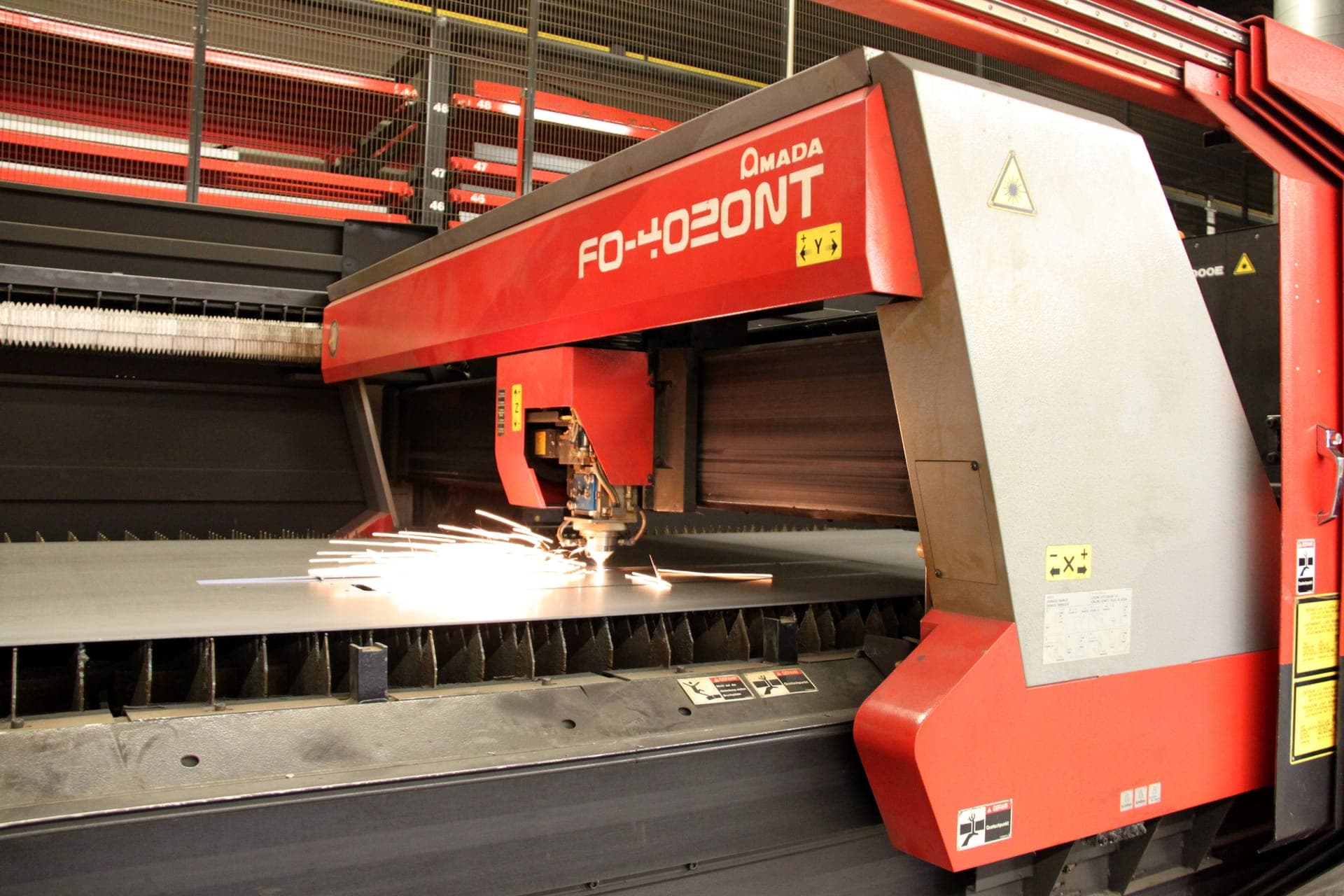
Laser technology
A modern method of material processing: a focused, high-energy beam cuts, welds, cleans, or marks material with precision that traditional mechanical tools cannot match — with no physical contact and minimal heat-affected zones.
WatMachinery equipment, sold and supported by Jet Star International
What is in the catalog
Counts, power ranges, and starting prices are read from the live catalog, so what you see here is what is actually available.
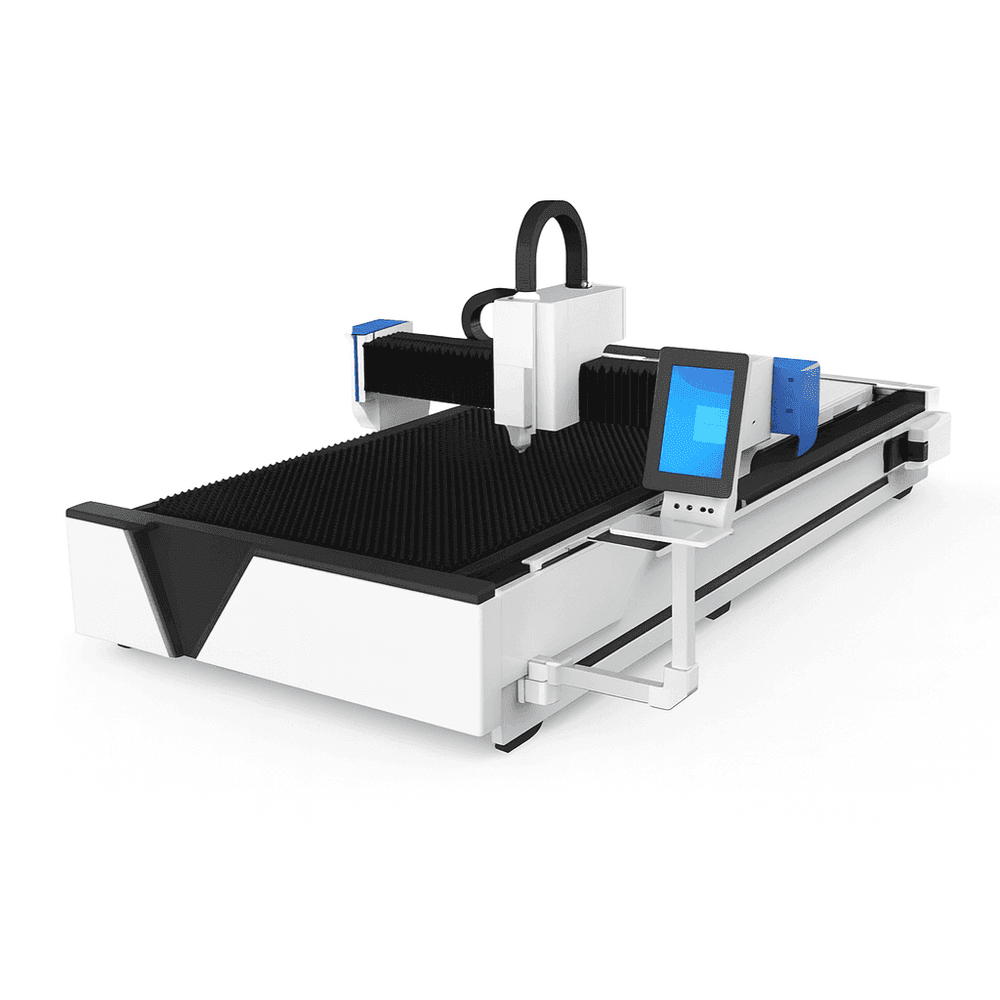
Fiber cutting of steel, stainless, and aluminium sheet. The largest family in the catalog.
One machine for flat sheet and for tube or profile. Fewer setups, but changeovers need planning.
Round, square, and rectangular sections for structural and frame work.
For non-metals: acrylic, wood, and selected plastics.
Handheld and multi-axis heads for clean, low-distortion seams.
Rust, coating, and process residue removal without abrasive media.
Permanent part identification, codes, and traceability marking.
Before you compare models
Which metal dominates, and what thickness runs every week? Not the thickest sheet you saw once — the one that pays the bills.
Flat sheet, tube and profile, or both? Sheet and tube machines are different builds; a combined machine needs a deliberate changeover routine.
One shift or continuous? Single parts or long runs? This drives table type, automation, and whether higher power pays back.
Can the part go straight to welding or painting, or is deburring acceptable? This decides the assist gas, and the gas decides the running cost.
Choosing a source
The two source types are not interchangeable. In metal work fiber has replaced CO2 almost everywhere; CO2 keeps a niche on selected non-metals.
| Fiber laser | CO2 laser | |
|---|---|---|
| Best for | Steel, stainless, aluminium, brass, copper | Acrylic, wood, some plastics, thicker mild steel |
| Thin sheet speed | Considerably faster | Slower |
| Wall-plug efficiency | High, roughly 30% | Lower, roughly 10% |
| Maintenance | No beam-path mirrors, no gas refill | Mirror alignment, laser gas, tube service |
| Reflective metals | Handled with a suitable head | Problematic |
Reading a datasheet
Planning the installation
Most first-time buyers budget for the machine and get surprised by the cell around it. Plan these in from the start.
Three-phase connection sized for the source. A 6 kW cutter needs meaningfully more than a 1.5 kW one — check the available capacity before ordering.
A chiller is mandatory. It needs its own footprint, its own power, and coolant maintenance.
Cutting generates fume and dust. Under-table extraction plus a filter unit is a legal requirement.
Dry, filtered air at stable pressure, or oxygen/nitrogen supply. Air preparation that is not up to the job shows up as poor edges.
A level, load-bearing floor and a clear route for delivery. Large machines are craned or moved on transport rollers.
Training, laser safety class, protective eyewear, and a defined maintenance owner from day one.
Our laser technology offer
Repeatable tolerances down to fractions of a millimetre.
Faster cycle times than mechanical cutting or welding.
Less tooling wear and lower cost per finished part.
The same result on part one and part ten thousand.
Built for integration into automated production lines.
From single-part jobs to full production runs.
FAQ
If yours is not here, ask us directly — the answer usually depends on your material and volume.
No. It depends on material, volume, and the precision you actually need. Below a certain volume, subcontracting stays cheaper than owning the machine and the cell around it. We will say so if that is the case.
Match it to what you cut every week, not to your thickest occasional sheet. Oversizing raises purchase cost, gas consumption, and electricity every day the machine runs below its ideal load.
A three-phase connection sized for the source, a chiller, extraction with filtration, prepared compressed air or gas supply, and a level load-bearing floor. Plan these into the budget from the start.
It depends on configuration and stock. Machines listed as available ship faster; a configured build takes longer. We confirm a date before you commit, and we will not quote one we cannot hold.
Startup on site, operator training, and a frozen baseline parameter set for your main materials. After that, one service contact path and remote diagnosis before a technician travels.
Contact us
Tell us the material, the thickness range, and the part format. We will come back with two or three machines worth comparing.
Contact us